Product guide · Jaipur, India
Custom electrical enclosures: materials, IP requirements and drawing checks
By Pankaj Fabricators · Updated
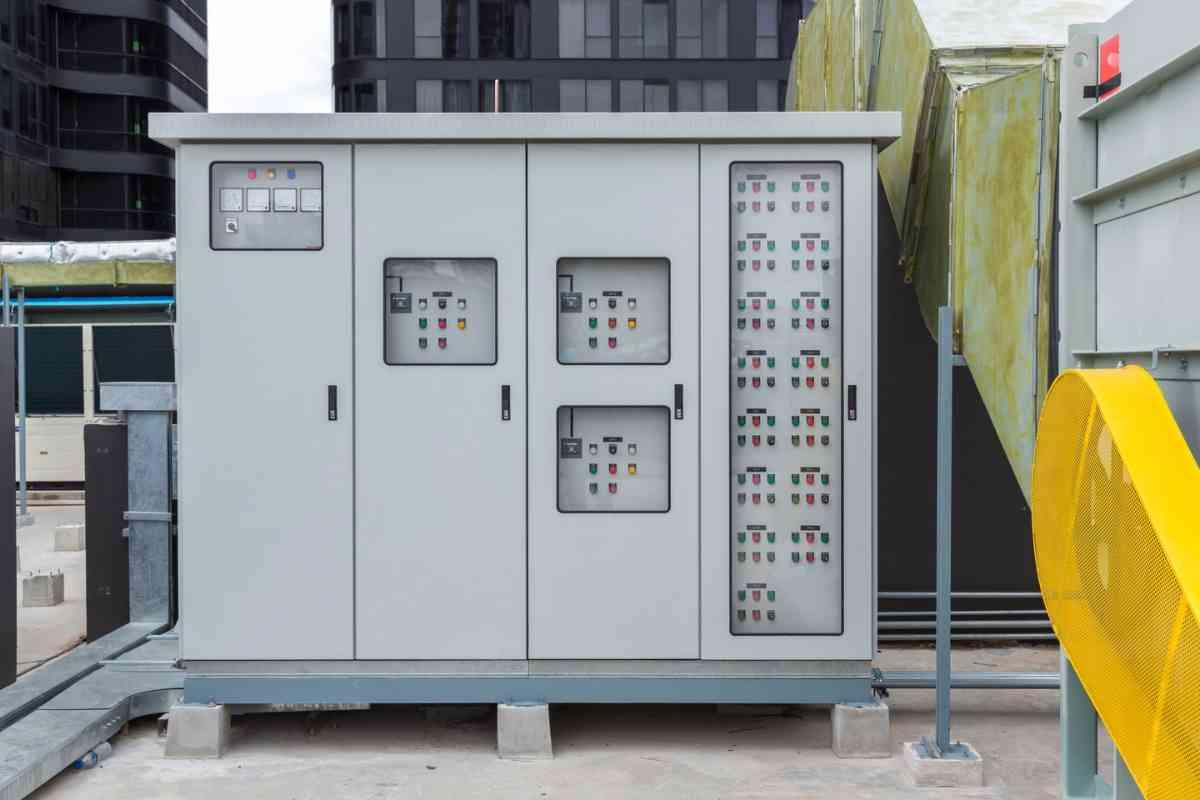
A custom electrical enclosure enquiry should define the installation environment, material, dimensions, cable entries, mounting points, access needs and required ingress protection. An IP requirement concerns the completed enclosure configuration; a material choice or paint finish alone does not establish it.
Describe where the enclosure will be installed
Start with indoor or outdoor use, the installation location and the environmental conditions specified by the equipment designer. Include available space, mounting method and maintenance access. Describe dust, water exposure or corrosion concerns in the specification instead of asking for a generic weatherproof box.
Separate the fabricated housing from the electrical assembly. State whether your enquiry covers an empty enclosure, mounting plates and hardware, or a broader assembly. The equipment designer should establish electrical clearances, thermal requirements and other application-specific requirements before the fabrication drawing is approved.
Select material and finish as a complete specification
The Pankaj Fabricators catalogue includes mild steel, stainless steel and galvanised-steel enclosure options. Specify the grade, sheet thickness and finish required for your application. Do not leave the supplier to choose those details from an enclosure photograph or a broad description such as industrial grade.
For painted enclosures, define preparation, coating system and colour. For stainless steel, identify the required grade and surface finish. Ask which surfaces must remain uncoated for assembly and which features need protection during transport. Confirm any material substitution before production.
Treat IP protection as a configuration requirement
IEC 60529 provides the classification for degrees of protection offered by electrical equipment enclosures using the IP Code. State the required classification and the evidence or testing your project needs. The reference below identifies the standard; it is not a certification of any product described here.
Agree the configuration to be assessed, including doors, seals, cable glands, gland plates and ventilation openings. Later cut-outs or hardware changes can affect the intended protection. Ask who is responsible for checking the finished assembly when the enclosure fabricator and panel builder are different suppliers.
Check the layout before the first batch
Review door opening direction, hinge clearance, removable panels, mounting-plate access and cable-entry positions. State which dimensions are internal and which are external. Use a drawing revision to record changes so the quotation, production team and panel builder use the same information.
For a new design, agree any sample or first-article approval before ordering a repeat batch. Send Pankaj Fabricators the enclosure drawing, quantities and delivery destination for review by its Jaipur team. The quotation should confirm the fabrication scope, finish, hardware and inspection requirements.
- Installation environment and required IP classification
- Material grade, thickness and surface finish
- Internal/external dimensions and mounting layout
- Door, gasket, hinge and lock requirements
- Cable-entry and ventilation details
- Inspection evidence, first-article approval and batch quantity
Common questions
Does stainless steel automatically make an enclosure IP65?
No. Material and ingress protection are different requirements. Specify the complete enclosure configuration and the evidence required for the intended IP classification.
Can cable entries be decided after the enclosure is made?
They should be agreed during design review. Later modifications may affect mounting, finish and the intended protection, so have changes reviewed before cutting or drilling.